How Thomas Aquinas brought belief and reason into the same conversation.
When Galileo defended his views on astronomy, he found a useful argument in the work of a Catholic friar who had been dead for more than 300 years.
That friar was St. Thomas Aquinas. Galileo cited him while challenging the idea that biblical descriptions alone could settle questions about the Earth’s motion. A theologian from the Middle Ages had supplied reasoning that a scientist could use centuries later.
It is a connection worth considering whenever faith and science get presented as opposing sides.
A person’s influence should be measured by how deeply and how long their ideas shape other people’s thinking. Aquinas deserves the title of history’s most influential person because his work reached beyond theology into education and scientific debate.
1. Galileo Found an Ally Across Three Centuries:
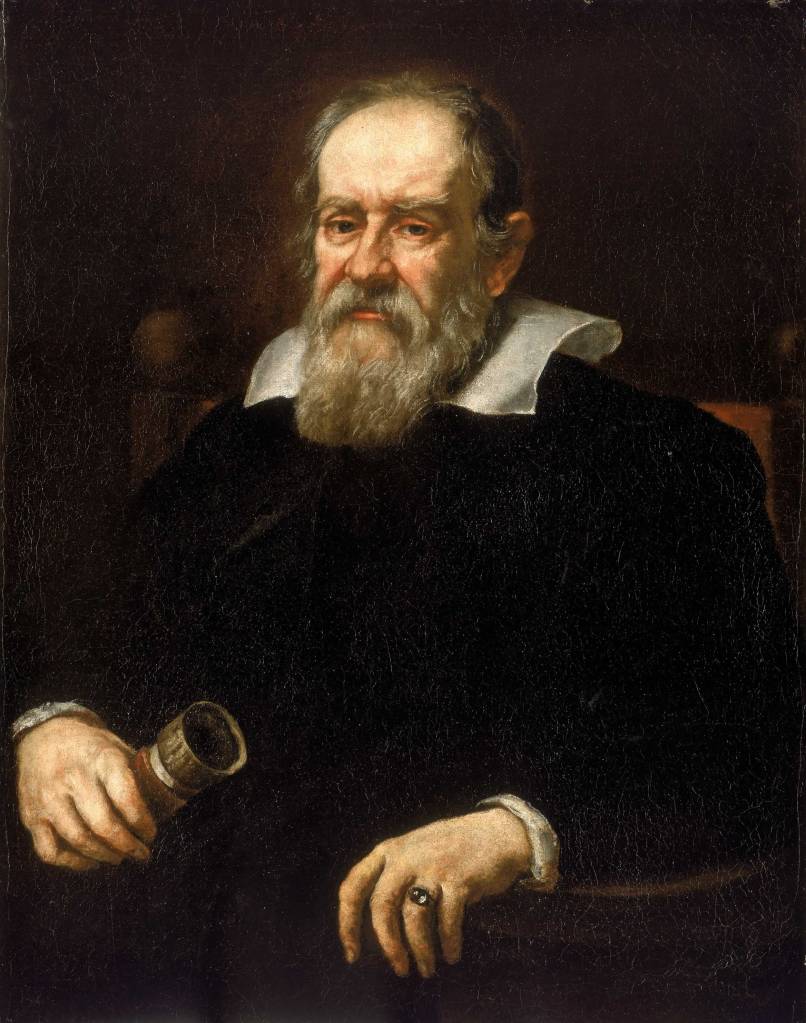
In his 1615 Letter to the Grand Duchess Christina, Galileo discussed how Scripture should be interpreted when its language appeared to conflict with conclusions drawn about nature.
He cited Aquinas’ explanation that biblical language sometimes reflects ordinary people’s understanding of the physical world. Galileo applied that reasoning to descriptions of the Sun and Earth, arguing that those descriptions should not automatically determine whether the Earth moves.
That distinction mattered a great deal. Galileo could draw on an established Catholic thinker when making the case that astronomy required more than a surface reading of Scripture.
Aquinas did not anticipate Galileo’s discoveries, and his reasoning did not prevent the conflict surrounding them. His contribution was a theological resource for defending scientific inquiry.
His broader intellectual influence also lasted. The Stanford Encyclopedia of Philosophy explains that the Aristotelian framework for knowledge Aquinas articulated remained widely accepted within the later scholastic tradition into the 17th century.
Aquinas worked in natural philosophy, rather than modern experimental science. Still, his ideas became part of the intellectual world that later scientists inherited, used and challenged.
2. The Church Kept Turning to Him:
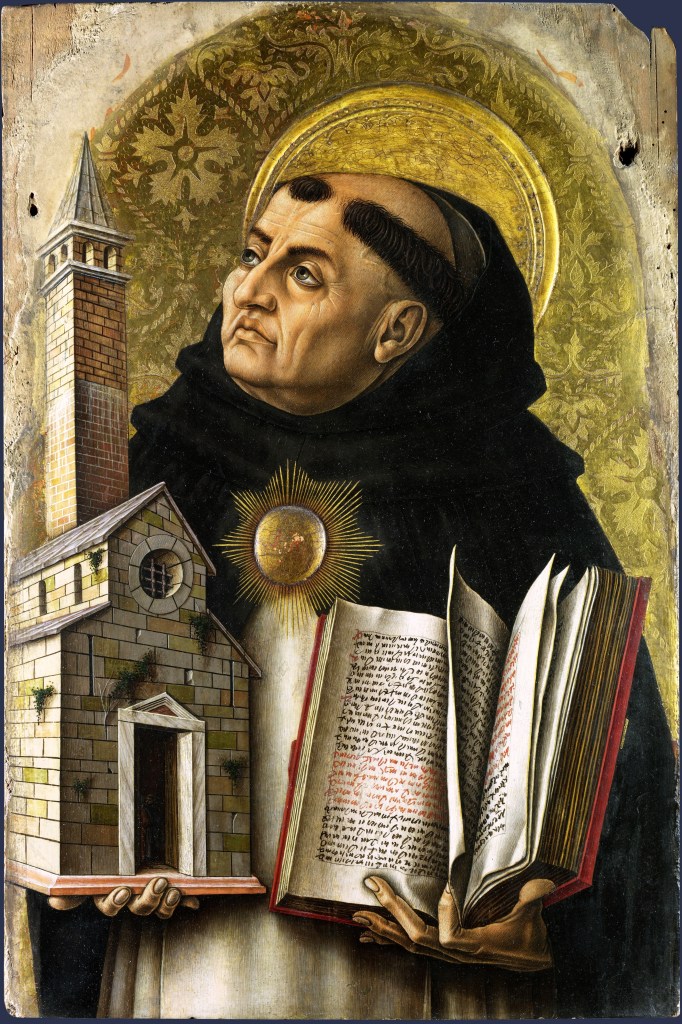
Aquinas’ religious influence was even more direct. A 13th-century Dominican friar, he distinguished between truths accessible through human reason and truths requiring divine revelation. Both contributed to understanding, although they operated very differently.
In the opening of his Summa Theologiae, he explains how different disciplines can examine related subjects through different methods. That approach valued reason while acknowledging that it could not independently establish every truth of faith.
For someone raised as a Roman Catholic, this explanation offers a meaningful example. The explanations accepted in childhood eventually leave deeper questions unanswered. Aquinas demonstrated that examining those questions seriously could belong within a committed religious life.
The Church gave his work a lasting place in education. In its 1965 decree Optatam Totius, the Second Vatican Council directed future priests to deepen their theological understanding “under the guidance of St. Thomas.” Nearly seven centuries after his death, the Church still named him as a guide.
Through those priests, his influence reaches people who may never read his texts. His work helps educate the people who explain religious teachings and answer questions within their communities.
3. Conviction Comes With Homework:
Aquinas’ method deserves attention alongside his conclusions. In the Summa, he presents a question, states objections, develops his answer and responds to each objection. Readers can follow his reasoning throughout.
That takes a certain confidence. Giving an opposing argument room on the page means accepting the responsibility for answering it as if it was the original question.
Aquinas did not invent debate, but his influential work demonstrates the discipline of engaging with it carefully. Even readers who reject his conclusions can recognize the value of that approach, as it leaves no stone unturned.
St. Thomas Aquinas’ example asks something more demanding than simply having an opinion: knowing what supports it and being willing to address what challenges it.
Why St. Thomas Aquinas Gets the Vote:
Jesus and St. Paul have stronger claims to Christianity’s foundations and expansion. Aquinas also accepted medieval explanations that modern science has displaced. His case does not depend on pretending he was right about everything.
It rests on the depth of his influence across different pursuits of knowledge. Religious education preserved his guidance, and Galileo found his reasoning useful in scientific debate.
For a Roman Catholic entering professional life, that legacy carries an expectation: convictions deserve careful thought, and difficult questions deserve honest answers.
Thomas Aquinas gets the vote because his influence reaches both what people believe and how they examine those beliefs. Nearly 800 years later, faith and curiosity still have good reason to share a conversation.


Leave a comment